
Cee Cee Creative Newsletter Book Neighborhood Map Lessons
Stadtplan
Information
archive temp
loop temp
BUT THE ART REMAINS — THE GROUP EXHIBITION “MAN DISAPPEARS LIKE A FACE IN THE SAND ON THE SEASHORE” AT “DIE MÖGLICHKEIT EINER INSEL”

BUT THE ART REMAINS — THE GROUP EXHIBITION “MAN DISAPPEARS LIKE A FACE IN THE SAND ON THE SEASHORE” AT “DIE MÖGLICHKEIT EINER INSEL”

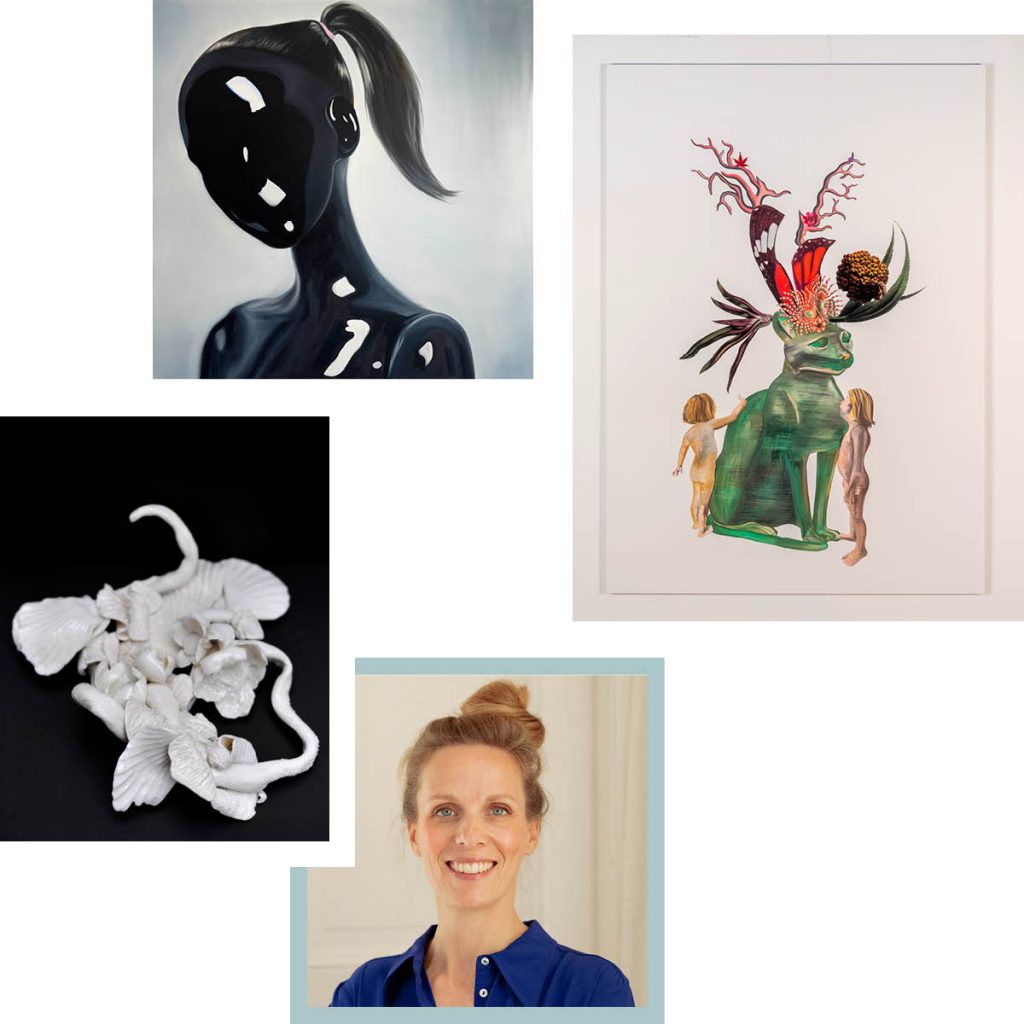
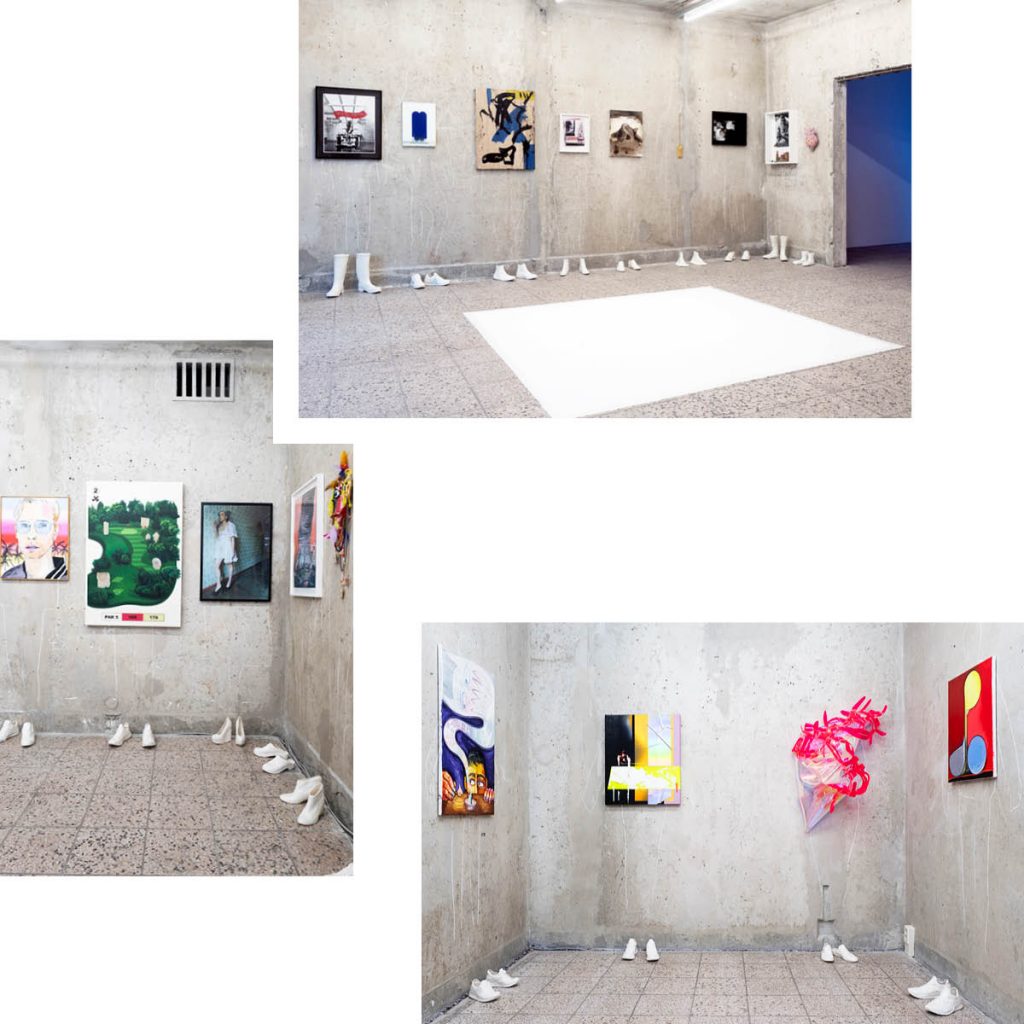
The title of this exhibition is a long one. Long and convoluted and a little bit wistful. It’s borrowed from the great postmodernist Michel Foucault. “Man disappears like a face in the sand on the seashore” is a group exhibition, which is on display until 28.01.2024 in Stephanie Kloss’ project space Die Möglichkeit einer Insel. Curated by participating artist Olivia Berckemeyer, there are so many artists on the list it’s a wonder how all of their work fits into the space. And what artists they are! From A for Anselm Reyle to Z for Thomas Zipp — it feels like everyone who has achieved recognition in Berlin’s wild art scene over the last twenty years is being exhibited. Alicja Kwade, Andrea Pichl, Hansa Wisskirchen, Saâdane Afif, Bernhard Martin, Christian Jankowski and Thomas Scheibitz are just some of the names on the list. But the exhibition doesn’t only boast quantity, it promises quality as well. Unlike the title “like faces in the sand”, none of the artists will be disappearing from Berlin’s thriving art scene any time soon.

Text: Hilka Dirks / Photos: Stephanie Kloss

Die Möglichkeit einer Insel, Inselstr.7, 10179 Berlin–Mitte; map
Fri–Sun 16–19h

Der Mensch verschwindet wie am Meeresufer ein Gesicht im Sand” curated by Olivia Berckemeyer, until 28.01.2024.

@diemoeglichkeiteinerinsel
@olivia_berckemeyer

cee_cee_logo
THE NEW THE MAP GALLERY OPENS WITH THE EXHIBITION “MELANCHOLIA” — RECOMMENDED BY ANAÏS RÖSCHKE

THE NEW THE MAP GALLERY OPENS WITH THE EXHIBITION “MELANCHOLIA” — RECOMMENDED BY ANAÏS RÖSCHKE

We’ve waited a long time for the opening of The Map Gallery, and now the moment has finally arrived. Why? It’s simple: when Mon Muellerschoen, Andrea von Goetz, and Peter Buchberger join forces, surprises are bound to happen. Exciting contemporary art pieces will now grace the walls between design masterpieces on Linienstraße. Renowned artists like Elisa Breyer, Philipp Fürhofer, Kura Kazunori, Magda Kracewicz, Anton Peitersen, Maria von Thurn und Taxis, Vincent Vandaele, Jorinde Voigt, and Björn Wallbaum Weltbrandt are among those featured. The inaugural exhibition brings together works exploring the theme of melancholy. Why melancholy in January? In Berlin? A time when the sun hides behind a gray sky, and cold days flood our insides with intensity, albeit brief, like a tsunami. What would the world be without darkness, doubt, and sadness? Artists uniquely transform these emotions into energy, creativity, and glimpses of the future. Drop by, let yourself be surprised, and discover works, objects, and furniture capable of embracing darkness throughout the year.

Anaïs Röschke, with a background in the art world, oversees the program at Laufen Space Berlin and executes various formats for the architecture and construction industry through her agency, The Art of Business.

Text: Anaïs Röschke / Photos: The Map Gallery

The Map Gallery, Linienstr.107, 10115 Berlin–Mitte; map
Wed–Sat 14–18h

@themapgallery_berlin

cee_cee_logo
OF MOTHERS AND DOLLS: GALLERY KEWENIG PRESENTS JAMIE DIAMOND

OF MOTHERS AND DOLLS: GALLERY KEWENIG PRESENTS JAMIE DIAMOND

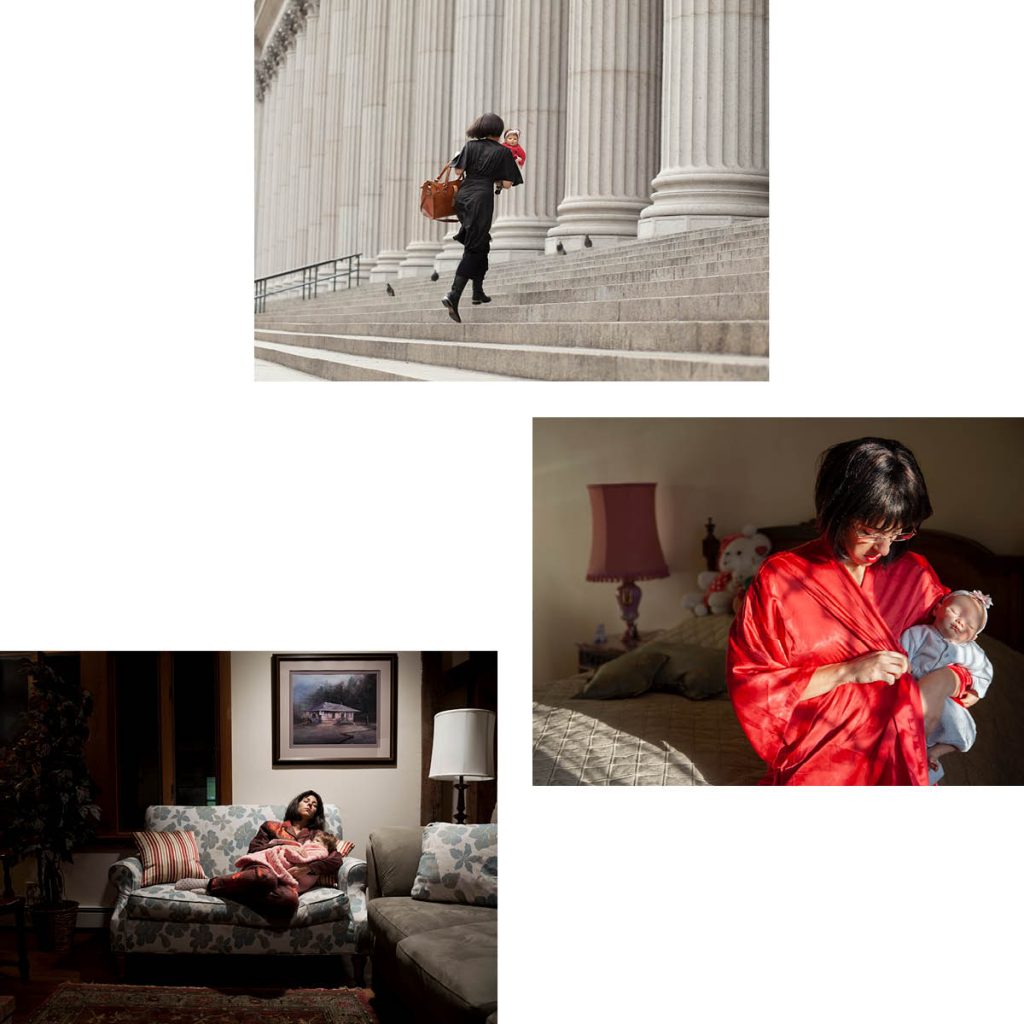
Ideas of motherhood have profoundly influenced art throughout history. The Madonna with child, a recurrent theme since the Middle Ages, was initially depicted by men who idealized the mother figure. It wasn’t until the early 20th century that women like Paula Modersohn-Becker reclaimed the motif, portraying it realistically and embedding it in everyday life. In the 1970s, painter Alice Neel captured the challenges of motherhood, highlighting the exhaustion and fears of inadequacy on canvas. At Galerie Kewenig pied-à-terre, artist Jamie Diamond challenges conventional notions of motherhood, illustrating how it can be shaped by unfulfilled dreams. Her photographic self-portraits resemble reincarnations of familiar scenes: Diamond in a landscape cradling a child, asleep on a couch with her child on her chest, on the beach, or silhouetted in front of a window. However, a subtle disturbance emerges in these idealized scenes—the child she holds is, in fact, a doll.

This hyper-realistic replica of a baby is drawn from the “reborners” community. While some view these dolls as collector’s items, others see them as substitutes for unfulfilled desires or lost children. Women in the community handcraft the dolls, often accompanied by fictitious birth and adoption certificates. Diamond initiated her series in 2007, engaging with community members to understand their intentions, dreams, and fears. In the series “I Promise to Be a Good Mother,” Diamond’s photographs suggest an exploration of her own life choices rather than a detachment from the everyday lives of the women she depicts. The title is borrowed from her diary, where she recorded instructions to her younger self. Diamond’s art emphasizes that the role of mother remains a social construct, while closeness is a personal and individual experience for everyone.

Text: Laura Storfner / Photos: Lepkowski Studios Berlin / Credit: Jamie Diamond & Kewenig pied-à-terre (Berlin)

Kewenig pied-à-terre, Mommsenstr.4 | vis-à-vis 69, 10623 Berlin–Charlottenburg; map
Jamie Diamond: Faking It until 10.02.2024 Thurs–Sat 11–18h

Kewenig, Brüderstr.10, 10178 Berlin–Mitte; map
Jamie Diamonds video work Skin Hunger & Constructed Family Portraits until 27.01.2024

@keweniggalerie
@jamiediamond

cee_cee_logo
THE HUMANLAB 4.0: WHERE ART, TECHNOLOGY & AWARENESS INTERSECT THROUGH INNOVATIVE INSTALLATIONS, ARTWORKS & INSIGHTS FROM EXPERTS

THE HUMANLAB 4.0: WHERE ART, TECHNOLOGY & AWARENESS INTERSECT THROUGH INNOVATIVE INSTALLATIONS, ARTWORKS & INSIGHTS FROM EXPERTS

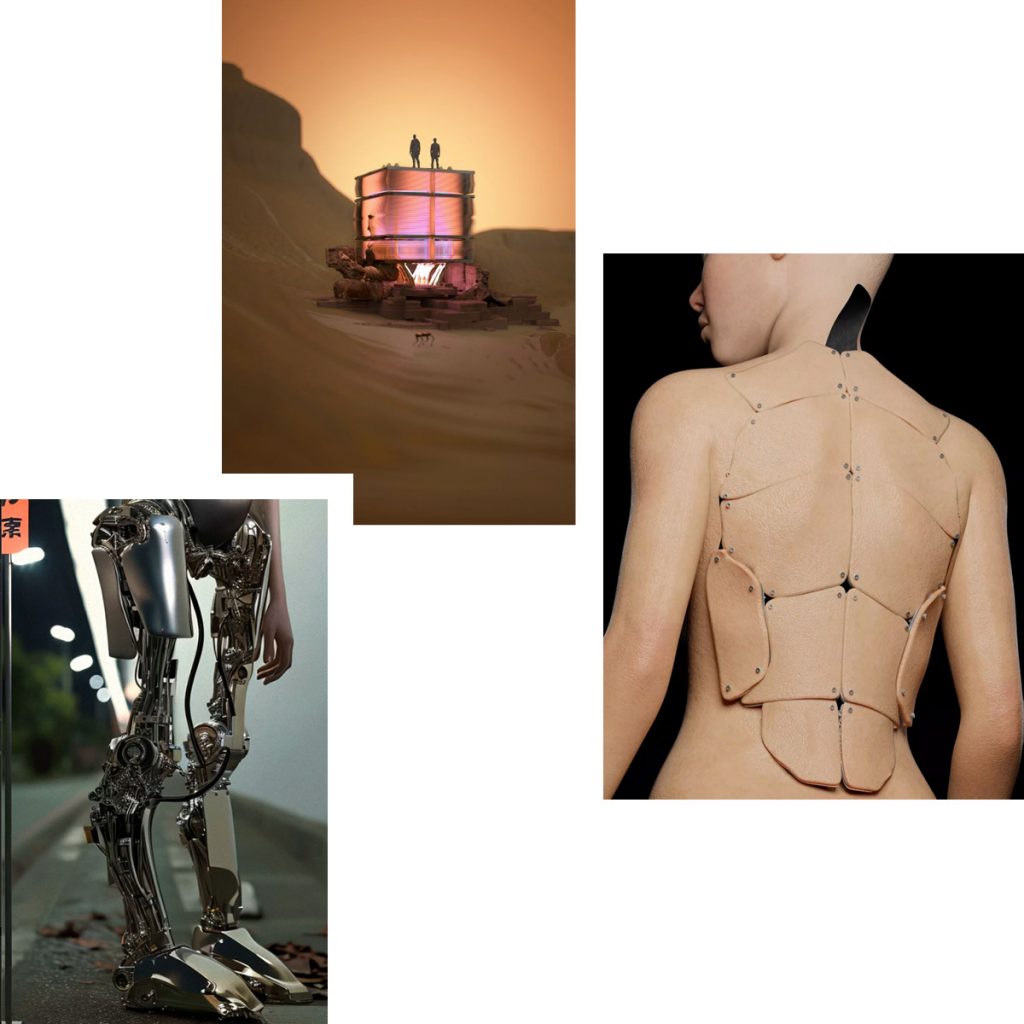
Reports on artificial intelligence today range from euphoric songs of praise to calls for more regulation. The new exhibition, Humanlab 4.0, aims to counter this short-sighted polarity. The artists behind the project explore the spiritual dimension of technology. Instead of exaggerating A.I. or dismissing it as an anti-creativity program, the artworks focus on the human condition in dealing with the digital. The avatars, 3D animations, and holograms created by selected artists demonstrate just how sensual this exploration can be. Based on Humanlab’s concept, they take us on a journey into a new visual experience that aims to be empathetic – precisely because it is based on algorithms. Frequencies and sounds, designed by various producers, complement the artworks. Humanlab 4.0 aims to test the limits of the self and show how future art can revolutionize our lives in a positive way. What emerges is a sphere between man and machine in which consciousness can dissolve and rediscover itself. There is much to discover and test out on-site, such as the “Mind Machine” or mysterious installations like the “Meditation Booth” and the “Affirmation Tower.”

Text: Laura Storfner / Credit: Humanlab

P61 Gallery, Potsdamer Str.61, 10785 Berlin–Tiergarten; map

Humanlab 4.0 from 11.01.2024. You can buy tickets online or at the box office. The opening weekend is from 12.–14.01.2024.

@humanlab4.0

cee_cee_logo
LISTENING, LEARNING, AND PRACTICING POSTCOLONIAL INSTITUTIONAL CRITIQUE: AT THE INTERDISCIPLINARY FESTIVAL “BLACK LAND, RED LAND — RESTITUTE”

LISTENING, LEARNING, AND PRACTICING POSTCOLONIAL INSTITUTIONAL CRITIQUE: AT THE INTERDISCIPLINARY FESTIVAL “BLACK LAND, RED LAND — RESTITUTE”

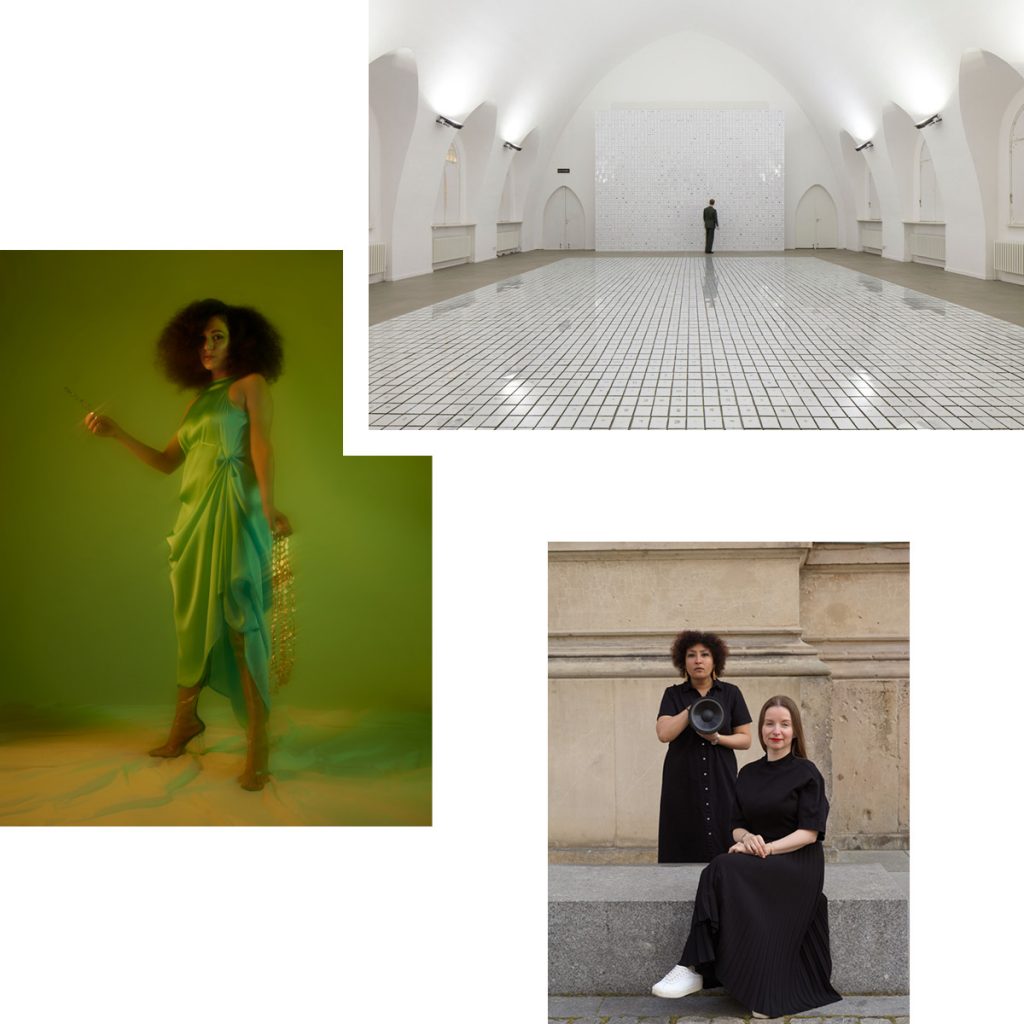
Culture never sleeps, at least not in Berlin, even when many residents are celebrating “Silent Night”. Meanwhile, the interdisciplinary festival “Black Land, Red Land – Restitute” is scheduled to take place from 21.–28.12.2023, at some of the city’s serene locations—Silent Green, Kunstquartier Bethanien, Palais am Festungsgraben and other public spaces. This timing is fitting and thoughtfully chosen for a post-colonial event amid the German holiday feast. The program is enticing and promising, featuring exhibitions and performances by Yara Mekawei, Hani Mojtahedy, Cevdet Erek, Attila Csihar, Lea Draeger, and Houaïda. Additionally, there’s ample time and space for discussion with a diverse and packed schedule. As the festival’s title suggests, the topics revolve around postcolonial themes, including institutional and practice critique, perspectives and politics, realities, restitution, and commemoration. Why not enrich your understanding at a time when too much often ends up in our already full bellies?

Text: Hilka Dirks / Photos: Dominique Brewing & Nick Ash / Credit: Ludger Paffrath, Ökonomische Päpst, Installation Ebensperger

Black Land, Red Land – Restitute
21.–28.12.2023

@blacklandberlin

cee_cee_logo