
Cee Cee Creative Newsletter Book Neighborhood Map Lessons
Stadtplan
Information
archive temp
loop temp
ALL GATHER AT THE TABLE! AT SOLID BERLIN, FOOD MEETS VALUES AND COMMUNITY

ALL GATHER AT THE TABLE! AT SOLID BERLIN, FOOD MEETS VALUES AND COMMUNITY

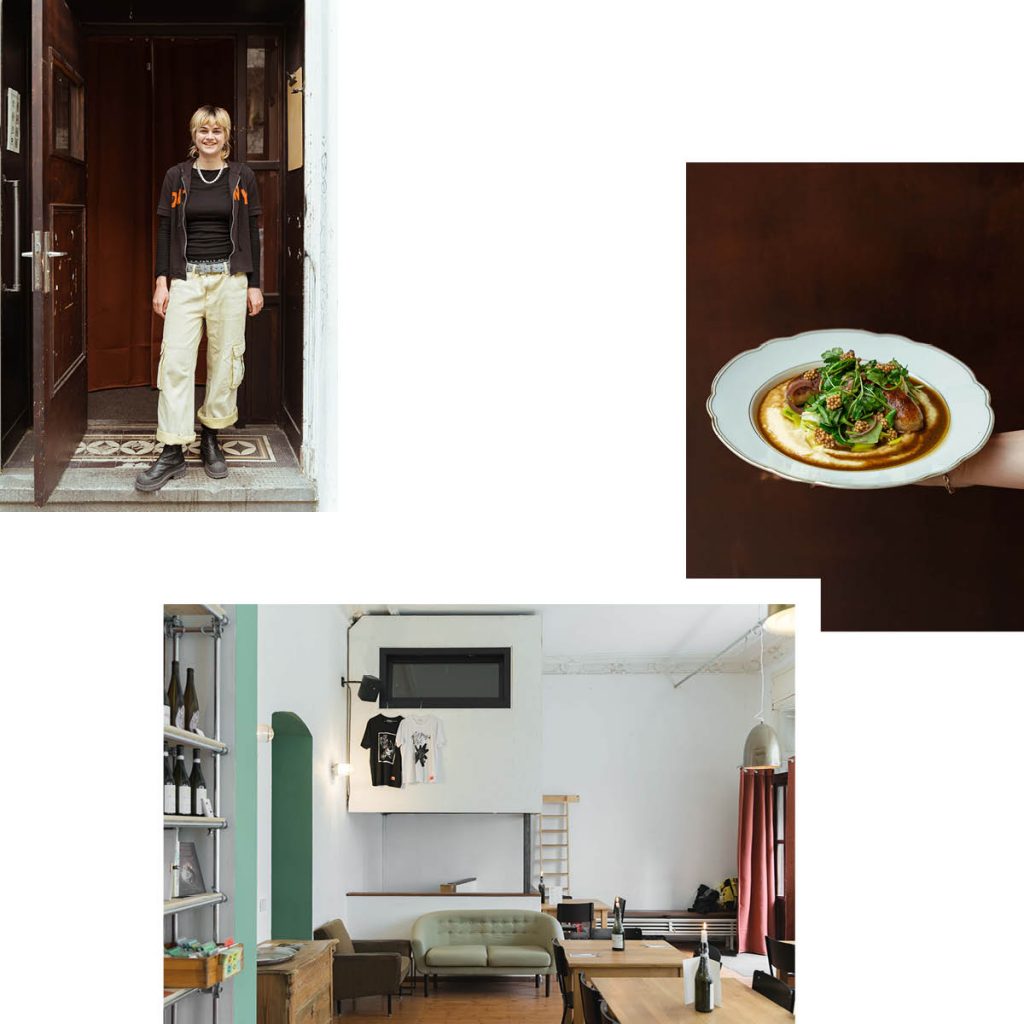
Some places are built around the table itself, where the food matters just as much as the conversations and the people gathered around it. At Solid Berlin in Kreuzberg, the table is a starting point for something bigger. Part restaurant, part neighborhood meeting spot, the space brings together seasonal cooking, community events, and a connection to local farms. Solid is closely connected to the concept of SoLaWi, short for “Solidarische Landwirtschaft”, or community-supported agriculture. It’s a model where people in the city support nearby farms and receive seasonal produce in return, creating a direct link between the city and surrounding countryside. Initiated by Viviana, together with Robert and Herbie, and shaped by a wider collective rooted in gardening, community organizing, and food systems, the space feels inherently collaborative. Walking into the space, the atmosphere immediately feels warm and inviting. Thoughtfully decorated with wine-bottle candle holders, vases of flowers, posters on the walls, comfy couches scattered around the room, and shelves of local wines and gardening seeds, it sits somewhere between a restaurant and a living room for the neighborhood. Near the entrance is an elevated wooden structure with a staircase, like a small tree house. Inside sits a radio booth for RBL Radio, a web community radio station, another layer to the space’s role as a cultural and community hub – a unique blend of radio and dining.

The menu changes weekly depending on what produce farms and collectives provide, with a focus on seasonal, mostly vegetarian dishes and ingredients sourced from producers such as SoLaWi Waldgarten, Plantage, and Urstrom Käse. On our visit, this translated into a flavorful bratwurst made with Apfelschwein, served with purée, gravy, and parsley, as well as gnocchetti in a pumpkin sauce topped with kale and pangrattato. For dessert, a hazelnut financier with ice cream and pear rounded things off. Beyond the restaurant, Solid hosts a regular program — talks, workshops, and community gatherings, shifting throughout the day from a lunch spot into an evening space for events in Kreuzberg, bringing neighbors, farmers, and curious visitors together around food and conversation. Still relatively new, having opened in October 2025, the space has already begun to establish itself as a place to meet, exchange, and return to.

Text: Stefania Basano / Photos: Mohit Amlani

Solid, Graefestr.18, 10967 Berlin–Neukölln; map

@solid.berlin

cee_cee_logo
AT UUU: NOSTALGIA & CULINARY MEMORIES AT “THE FAR FROM SEOUL” POP-UP

AT UUU: NOSTALGIA & CULINARY MEMORIES AT “THE FAR FROM SEOUL” POP-UP

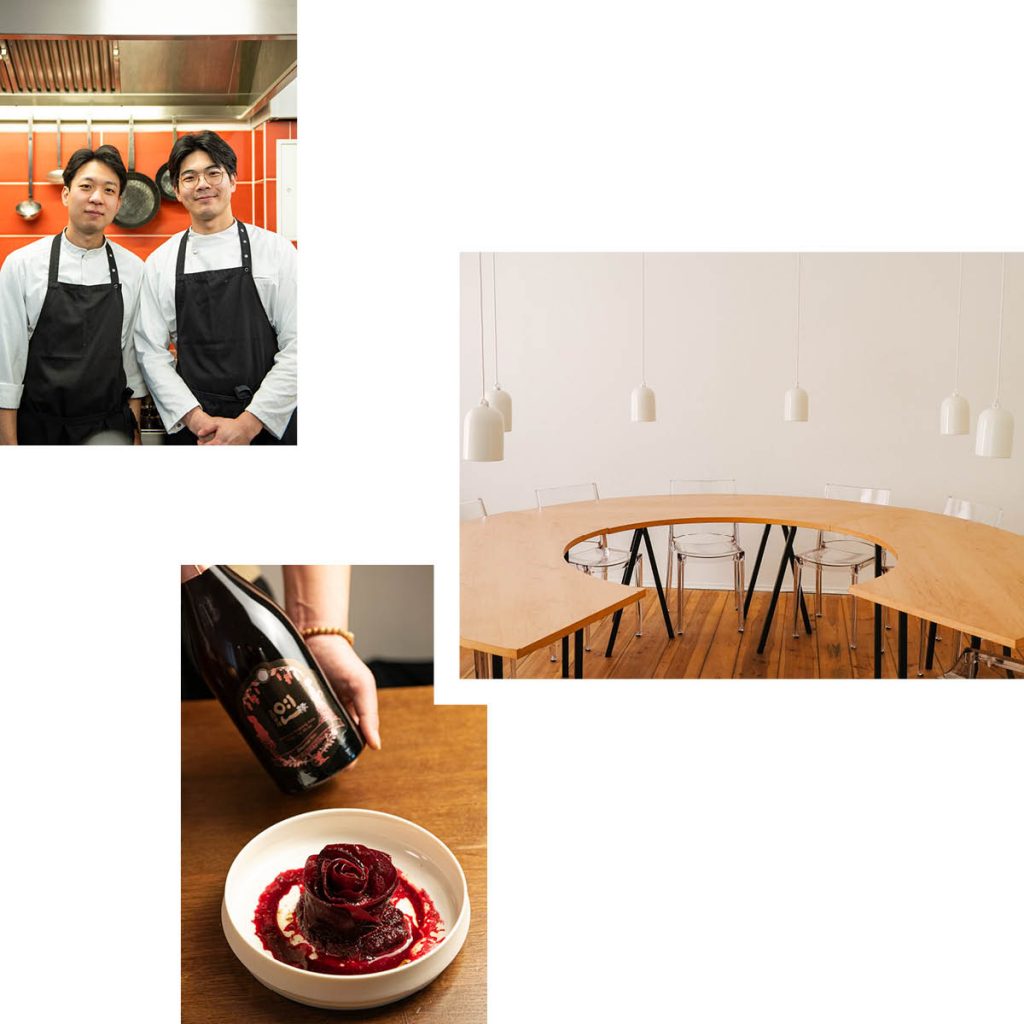
A chef who grew up in Korea and translates dishes from his own memories into sustainable fine dining — that’s exactly what you can experience this March 2026 at UUU in Wedding. Moses Yoon, who usually works in the kitchen at Nobelhart & Schmutzig, is taking over the space with a one-month pop-up. Far from Seoul is a deeply personal project for him — a way of reconnecting with his roots and the food he grew up with. Moses has been living in Berlin since 2014. While he loves the city, he has noticed how his relationship with Korean cuisine has slowly begun to shift. “When you live far away from the place you grew up, things that once felt so familiar suddenly start to feel foreign.” With this pop-up, he wants to explore that distance through his cooking. The name captures exactly that: cooking Korean food, far from Seoul. Rather than recreating traditional dishes exactly, Moses brings together Korean flavours, ferments, and culinary memories with his experiences in Berlin’s restaurant scene. And with locally available ingredients. UUU provides the perfect setting: intimate yet welcoming, with space for just fourteen guests. The result is a focused atmosphere in which everyone can discover the stories behind his dishes in an accessible way.

His experience at Nobelhart & Schmutzig also informs the project. Working closely with local producers plays a central role there, as at his pop-up. Many of the dishes begin with memories of Korean food, but are reinterpreted with German-grown ingredients. Moses is supported by friends and colleagues along the way, including Taewoong from Sojuhalle, who helps with the pairing, as well as his colleague and chef Choi. What awaits is a multi-course menu built around numerous fermented sauces and pastes (known as jang), many of them fermented by Moses himself. Combined with fish, meat, grains, and vegetables, the result is a menu that moves somewhere between these two culinary worlds. The pairing focuses on sool, Korean alcoholic beverages carefully curated to complement the fermented elements of the dishes. Vegetarian options are available, and upon request, a fully vegan tasting menu is possible. With Far from Seoul, Moses presents his own reinterpretation of Korean cuisine in Berlin. So if you’re curious, don’t wait long — come April, UUU will return to its regular concept. 

Text: Robyn Steffen / Photos: Far from Seoul, UUU

UUU, Sprengelstr.15, 13353 Berlin–Wedding; map
Far from Seoul pop-up 03.–28.03.2026. Reservations here.

@far_from_seoul
@moses__yoon
@uuuberlin

cee_cee_logo
MANY WOMEN PERFECT THE PORRIDGE: EIGHT BERLIN RESTAURANTS LED OR RUN BY WOMEN*

MANY WOMEN PERFECT THE PORRIDGE: EIGHT BERLIN RESTAURANTS LED OR RUN BY WOMEN*

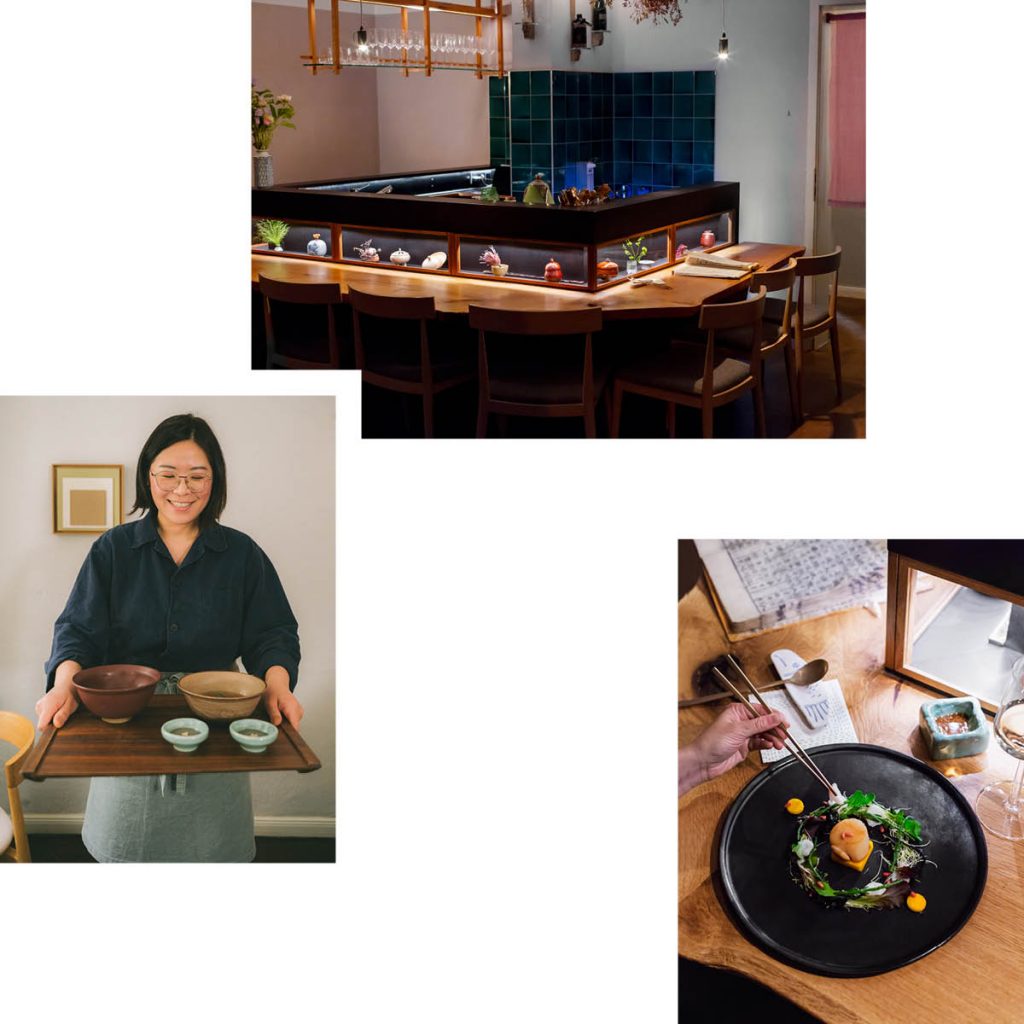
The 8th of March is Feminist Day of Action. A day that creates visibility for work that remains structurally underrepresented. In gastronomy, women* are still underrepresented. And yet they run kitchens, concepts, and spaces with a distinct style. Here are eight places that you should visit (not only on the 8th of March). At Böhmischer Platz, Sarah Hallmann pairs artisanal precision with a calm aesthetic at Hallmann & Klee. An open kitchen, pared-back materials, plenty of light. The space stays understated, so the focus is on seasonal produce, fine textures, and their own bread. Sophia Hoffmann and her restaurant Happa embody confident, plant-based cooking. Fermentation, open flames, intense sauces. At Happa, vegetables take center stage. The menu is on point, the wine list precise, the atmosphere relaxed. A place for anyone craving depth and clarity on the plate. At Choi, Sooyeon “Sue” Choi brings modern Korean cuisine to the Kollwitzkiez. Kimchi, BBQ, small plates for sharing, all with a fine sense of balance and texture. The evening unfolds in stages, accompanied by vivid flavors and conversations as layered as the dishes. If you want to wind down with modern Korean food in a relaxed atmosphere, you won’t be disappointed.

At Ari’s, Arianna Plevisani combines diner flair with Peruvian influences. Aji verde, sandwiches, bowls, and bold spices shape the menu. A spot that brings together street-food energy and a clear culinary signature. It’s hard to imagine the Kreuzberg neighborhood without it since it opened. In spring, catch the sun in the backyard with a glass of wine and Arianna’s “Green Goddess” salad. Hearty and elegant at the same time? Why not. That’s Onette. Tamara Siedentopf and Brienne West bring luncheonette culture to Schöneberg. Pancakes, cocktails, lunch, late night. A listed space, carefully restored, with a lovely terrace. For dinner dates that last all day. Korean fried chicken and drag brunch? Say no more. At Bamnat, Häran Kim focuses on what matters most in the end: good food and hospitality. There is also a strong emphasis on ferments, punchy sauces, and cold drinks. “Bam” means evening in Korean, and “Nat” means day. So yes, good food all day long. At Desi Diner in Neukölln, Shabnam Syed blends hot Americana with South Asian style. Burger buns meet chutneys, fries meet masala. Loud, playful, self-assured. A place where cultural references collide in a small space. Kristiane Kegelmann is known for her artful pralines, and her restaurant Pars for cuisine that is as precise. Few places in Berlin are designed with such a sharp sense of dramaturgy and detail, not least thanks to her background in art and confectionery. Together with Florian Sperlhofer, she creates curious, exacting food at Savignyplatz. Casual in expression, clear in line. Feminist Day of Action lasts 24 hours. Structural change takes much longer. Anyone invested in gastronomy helps decide which concepts and people remain visible in the long run. Those who book a table on the 8th of March celebrate with us. Those who come after support for the long term.

Text: Inga Krumme / Photos: Caroline Prange, Daniel Farò, Franz Grunewald, Mina Aichhorn, Mishka Kornai, Najaaraq Vestbirk, Pujan Shakupa, Robyn Steffen, Ruby Watt, Sophie Doering, Van Anh Le

Hallmann & Klee, Böhmische Str.13, 12055 Berlin–Neukölln; map

@hallmannundklee

Happa, Schlesische Str.35a, 10245 Berlin–Kreuzberg; map

@happa_restaurant

Choi, Fehrbelliner Str.4, 10119 Berlin–Prenzlauer Berg; map

@restaurantchoi

Ari’s, Glogauer Str.2, 10999 Berlin–Kreuzberg; map

@aris__berlin

Onette, Grunewaldstr.11, 10781 Berlin–Schöneberg; map

@onette_berlin

Bamnat, Paul-Lincke-Ufer 40, 10999 Berlin–Kreuzberg; map

@bamnat030

Desi Diner, Thiemannstr.1, 12059 Berlin–Neukölln; map

@desidinerberlin 

Pars, Grolmanstr.53–54, 10623 Berlin–Charlottenburg; map

@pars.berlin

cee_cee_logo
CHOOSE, WAIT, SLURP: HOTPOT FOR ONE AT SANKU MAOTS’AI

CHOOSE, WAIT, SLURP: HOTPOT FOR ONE AT SANKU MAOTS’AI

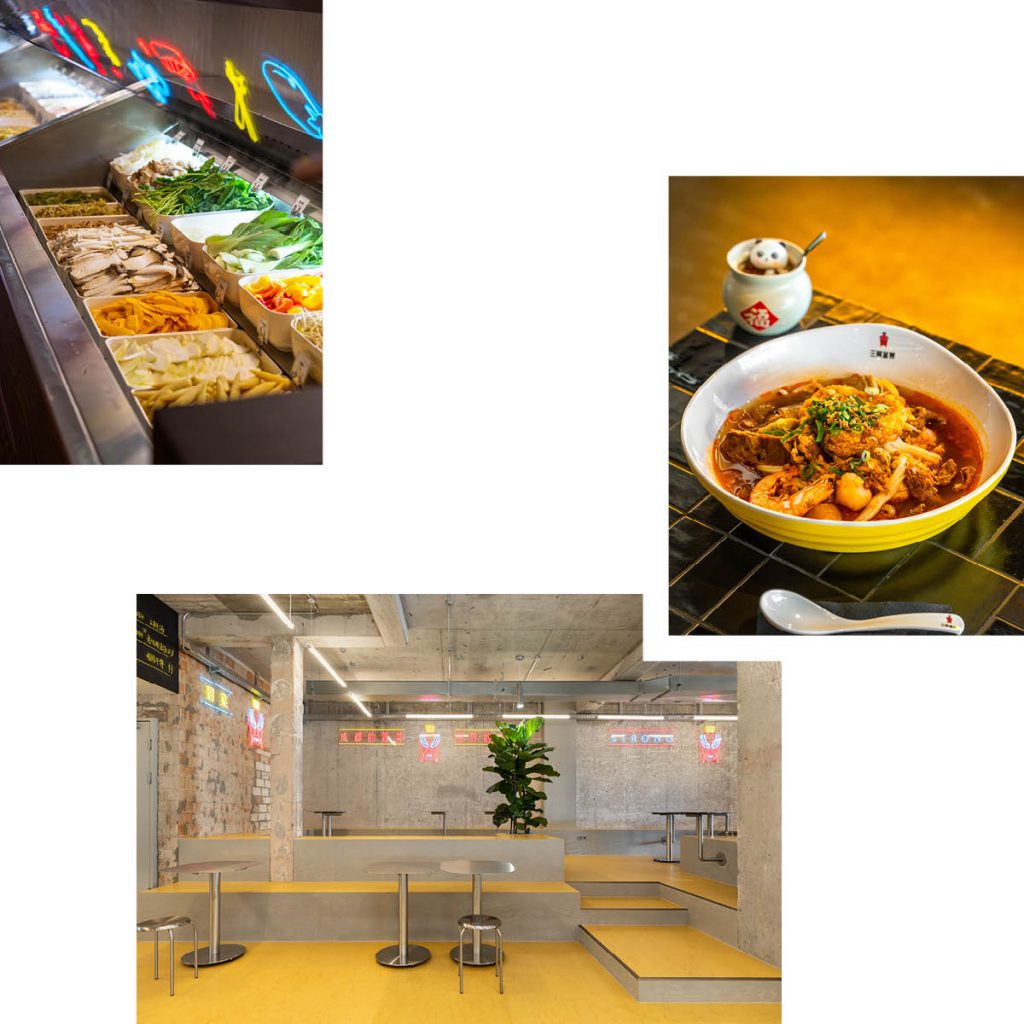
Yes, winter is especially tough this year. It’s wet, it’s slippery, and it refuses to leave. For me, there’s only one solution: take every opportunity to warm up from the inside, because as long as there’s a minus in front of the temperature, I remain loyal to hot soups and stews. Hotpot ranks high on that list, and throughout the colder months, my friends and I use any excuse for a cozy hotpot gathering. Luckily, it’s even easier with Sanku Maots’ai. With two locations in Friedrichshain and Mitte, you’ll find me here almost weekly — sometimes on my own. Because, unlike classic hotpot, which is shared, what you’ll find here is maocai: a traditionally spicy Sichuan stew, best described as hotpot for one. And although the preparation differs — you don’t cook at the table yourself, everything happens in the kitchen — there are plenty of parallels between the two. The most important being you decide what goes into your bowl. Not an easy task when faced with over seventy ingredients and six house-made broths. To help navigate the choice, you’re handed a large pair of tongs and an even larger container as you make your way along the buffet. Vegetables, seafood, meat, noodles — it’s all there. The selection is vast, and if you arrive hungry, you might want to think twice before putting those tongs to work.

Personally, I always cave when it comes to mushrooms, noodles and seafood — and even though I come regularly, it never feels repetitive. Once you’ve assembled your ingredients, it’s off to the register. Here you’ll find out whether you managed to keep your portion in check — the scale sets the tone. Next, pick a broth from the classic Sichuan base to rich tomato or mixed mushroom. There’s something for everyone, whether you like it spicy, bold, or a bit lighter. And because building your own bowl is so much fun, you can explore the dipping station while waiting for your maocai. Here you’ll find peanut and oyster sauces, chili oil, and a range of toppings like garlic, spring onions, chili and cilantro. The possibilities are endless — and it’s definitely worth trying them all.

Text: Robyn Steffen / Photos: Sanku Maots’ai

Sanku Maots’ai Mitte, Friedrichstr.121, 10117 Berlin–Mitte; map
Sanku Maots’ai Friedrichshain, Warschauer Str.81a, 10243 Berlin–Friedrichshain; map

@sankumaotsai_berlin

cee_cee_logo
FOR THE LOVE OF SHARING: A VALENTINE’S NIGHT AT KAIBAR BRASSERIE

FOR THE LOVE OF SHARING: A VALENTINE’S NIGHT AT KAIBAR BRASSERIE

Some places stay with you because of what you ate; others because of who you were with. Kaibar Brasserie did both for me, effortlessly. The first time I went to Kaibar, it was date night. The room was candlelit, cozy, and softly buzzing in that way only good restaurants manage. The Berlin-Mitte-based restaurant Kaibar sits somewhere between the familiar and quietly exciting. Before founding Kaibar in 2025, Berlin-raised owner Tran, Duy Khanh, spent years working across various bars and kitchens. “Before there was land, there was the sea.” is the leitmotif. The sea, the origin of all movement, is also where the name Kai comes from. In Japanese, it simply means sea. Blue accents frame the space, from the deep tones of the exterior seating, reminiscent of old theater chairs, to the subtle details inside. Shell motifs appear on plates and throughout the decor, small nods to the sea that feel intentional rather than themed. In winter, it feels cozy and intimate. In summer, it opens up, and the terrace can make you forget you’re in the middle of Berlin.

At its core, Kaibar is a fusion brasserie, blending French technique with Japanese ingredients. Organic ingredients and careful sourcing aren’t a trend, but a philosophy. Sharing is what the place is built for. Plates like fresh oysters and temaki are easy to order, pass around, and linger over. We started with seared scallops and ceviche — both gone in seconds. My partner chose the salmon from the Chef’s Grill, grilled over a Japanese konro, using charcoal to create deep, smoky flavors, served with carrot purée, asparagus, edamame, and saffron sauce, melting like butter with every bite. I went for the “Truffle e Pepe Udon”. Rich and silky. The kind of dish that makes you insist, “You have to try this”. To drink, we sipped on a cocktail called Last Lychee in Paris — floral, playful, slightly nostalgic, served in a classy glass. As for the dessert, the Vanilla Crème Brûlée was just right: crackly on top, creamy underneath. While the Matcha Tiramisu was surprisingly light. Both desserts close the night on a softer note, leaving you scraping the bowl for every last morsel. Opened in May 2025, it already feels like a place people return to. A restaurant that became “our spot”. Kaibar isn’t about grand gestures; it’s about sharing dishes, stories, and falling in love all over again.

Text: Stefania Basano / Photos: Maya Jolina

Kaibar Brasserie, Große Hamburger Str.32, 10115 Berlin–Mitte; map

@kaibarmitte

cee_cee_logo