
Cee Cee Creative Newsletter Book Neighborhood Map Lessons
Stadtplan
Information
archive temp
loop temp
CAFÉ BRAVO — THE TEAM BEHIND OTTO, TRIO & PLUTO TAKES OVER DAN GRAHAM’S ICONIC GLASS PAVILION

CAFÉ BRAVO — THE TEAM BEHIND OTTO, TRIO & PLUTO TAKES OVER DAN GRAHAM’S ICONIC GLASS PAVILION

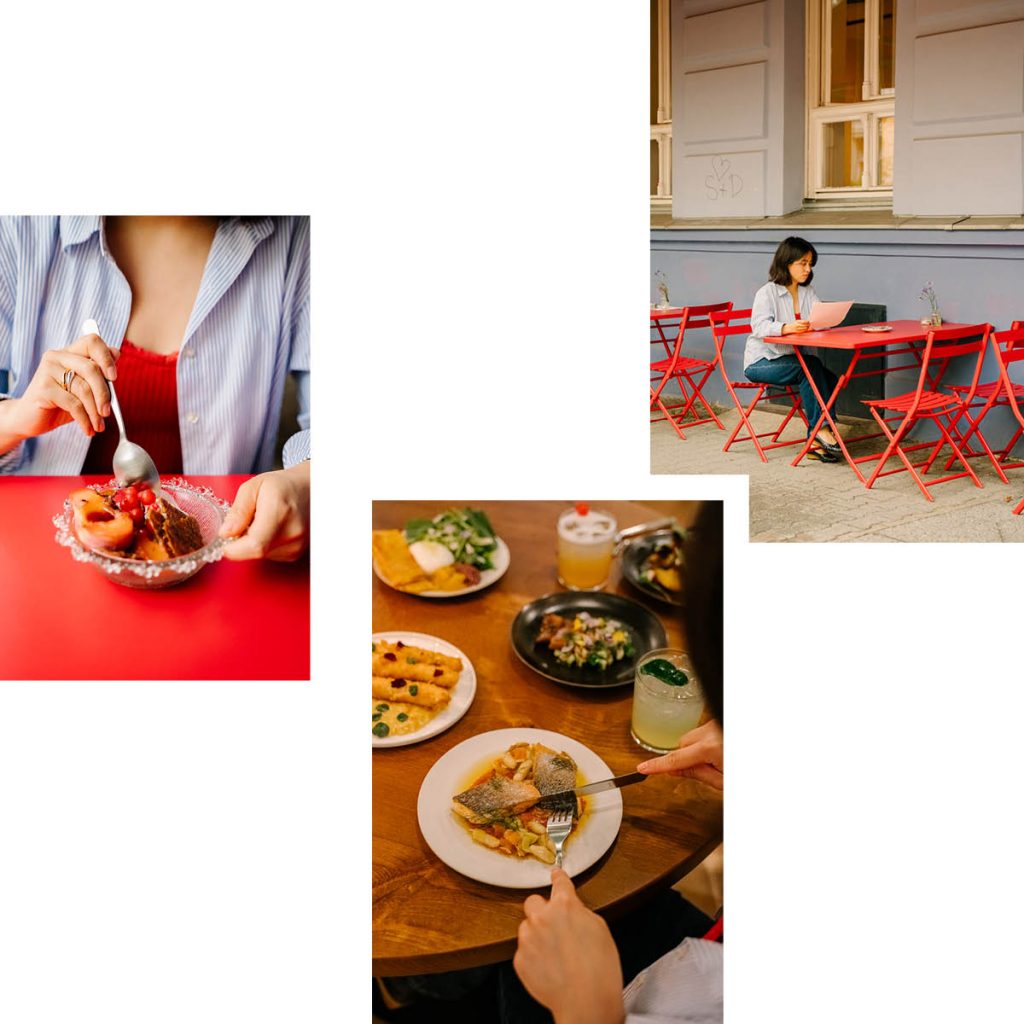
Few Berlin courtyards are as well-known as the one at the KW Institute for Contemporary Art. Located on Auguststraße, in a former margarine factory, KW is the birthplace of the Berlin Biennale and remains one of the most important addresses for contemporary art today. Inside the mirrored glass cube by American artist Dan Graham, Café Bravo has reopened with a new team of operators. The story of the pavilion began in the winter of 1994. After a lecture at what was then the University of the Arts, Graham developed the idea for a place where art and everyday life could merge — a functional piece of architecture made from polished stainless steel and double-sided mirrored glass, somewhere between a pavilion and a public living room. Together with Berlin architect Johanne Nalbach, he created Café Bravo — his first sculpture designed for sitting, waiting, and drinking coffee. This idea became reality during the first Berlin Biennale in 1998. Now a new era begins. Café Bravo is the latest addition from the team behind the renowned and much-loved spots OttoTrio, and Pluto.

In July 2026, a new generation took over: Clemens Roesch, Eva Alken, Sören Zuppke, and Vadim Otto Ursus. And one of them is deeply rooted in this part of the city — Vadim grew up just a few steps away. Together with the Berlin architects from Studio Affin, the pavilion has been redesigned without altering its openness. Custom-made cherry wood benches and window ledges by Hanna Rothhaus, a curved stainless-steel counter by Luca Lombardini running along the open kitchen, shelves in rich green tones, and warm wooden details echo the colors of the courtyard. Rather than competing with the architecture, they enhance its effect. The weekly fresh flower arrangements from Brandenburg’s Buchholz, created by Meggie Schneider, allow the interior of the café to merge with the “Archipel” garden by French landscape architects le balto. Bravo sees itself as a museum café in the best sense: a place where the world and the neighborhood come together. Bravo accompanies the day from morning until evening, with a calm rhythm and a kitchen focused on seasonality and attention to detail, from the first coffee and small breakfast (such as sprouted oat muesli with hazelnut butter and compote, or a slice of bread with Heggelbach cheese and tomato), to a weekly changing lunch menu, and a glass of wine in the evening. A selection of signature snacks is also available throughout the day, alongside homemade cakes and pastries. Homemade lemonades, “Bravo Iced Tea,” water kefir, coffee, and wild-foraged teas, along with a small wine and cocktail menu, offer refreshment during the hot summer months. For me, it feels like rediscovering a personal Berlin classic. Or, put more simply, one of those rare places that feels as though it has always been there. Bravo, Bravo!

Text: Milena Kalojanov / Photos: Robert Rieger

Bravo, Auguststr.69, 10117 Berlin–Mitte; map

@bravoberlin

cee_cee_logo
COFFEE HOSPITALITY AND CEREMONY FROM THE ETHIOPIAN HIGHLANDS TO CHARLOTTENBURG — RECOMMENDED BY ADAM BERRY

COFFEE HOSPITALITY AND CEREMONY FROM THE ETHIOPIAN HIGHLANDS TO CHARLOTTENBURG — RECOMMENDED BY ADAM BERRY

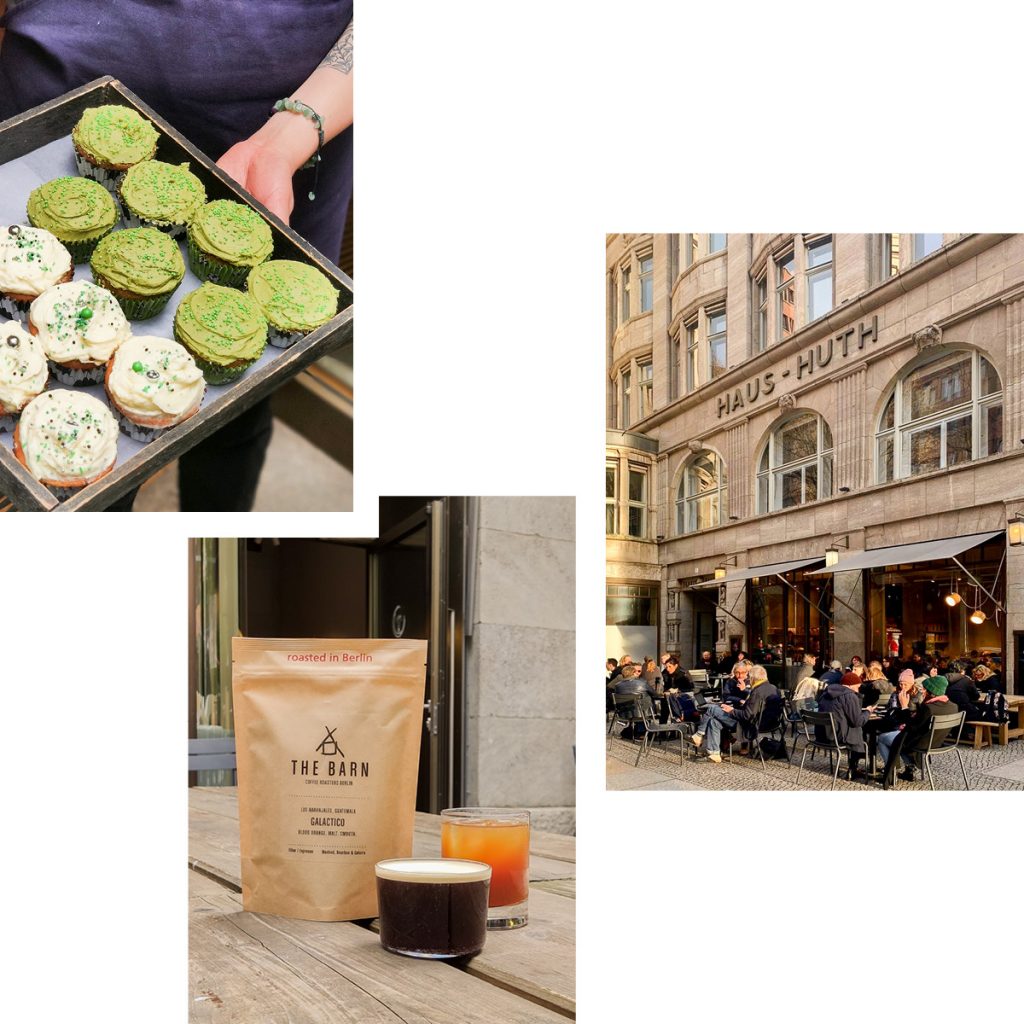
According to possibly-true legend, in the ninth century an Ethiopian goatherd in the region of Kaffa named Kaldi noticed his goats acting energetically and unable to sleep after eating bright red berries from a local shrub. After tasting them for himself and feeling similar effects, Kaldi rushed to show a local monk, who condemned the fruit as the work of the devil and threw them into a fire. The enchanting smell of the roasting coffee beans was impossible to ignore; historians debate over what happened next, but someone came up with the idea of pouring boiling water on top of the new delicacy to produce a beverage that has since spread around the world to become one of its most common drinks, fueling great ideas and early mornings ever since. Recognizing its importance as the birthplace of coffee, Ethiopians continue to this day to use the traditional mukecha, a wooden mortar and pestle, and jebena, a clay pot, to present a coffee ceremony, in which once again scents – from the aroma of the beans, going from green to roasted to your cup in less than an hour, as well as incense – play a starring role as the hot, fresh elixir is served in three rounds. Miheret Mindaye wants to bring both the ceremony and Ethiopian hospitality, with which she had plenty of practice in her fifteen years as a flight attendant in commercial business class and private jets, to Charlottenburg, and opened Buna, named after the word for “coffee” in Amharic, the language of Ethiopia.

Her coffee beans, used for the traditional ceremony as well as the more standard specialty coffee shop drinks, are shipped from Ethiopia and small-batch roasted in Berlin; her cakes are all organic and change regularly – currently on offer are lemon cheesecake, chocolate truffle, and apricot, with a vegan option. “When we were children we hung around our mothers and they gave us coffee,” Miheret says. “I started presenting the ceremony myself when I was eleven. We don’t even think about giving caffeine to kids at that age; it’s just a part of the culture,” she said. “In Ethiopia, when you make coffee, you have to call over the whole neighborhood – you never drink it alone. My goal is to have a harmonious place where everyone is welcome, has a good experience and their expectations met. And to share my culture, and love of coffee, from how it’s sourced to served – with Berlin.” As for the ceremony itself, she promises a virtuosic performance.

Text: Adam Berry / Photos: Adam Berry, Isabelle Marten

Adam Berry is a freelance photographer, photojournalist & television news producer, living in Prenzlauer Berg in the same apartment for over two decades. He’s training for marathons, mastering his own coffee technique, and supporting the many businesses offering delicious vegetarian options in Berlin.

Buna, Knesebeckstr.15, 10623 Berlin–Charlottenburg; map

@buna.berlin

cee_cee_logo
STAY FOR ANOTHER CUP: COFFEE CIRCLE OPENS AT KOLLWITZPLATZ

STAY FOR ANOTHER CUP: COFFEE CIRCLE OPENS AT KOLLWITZPLATZ

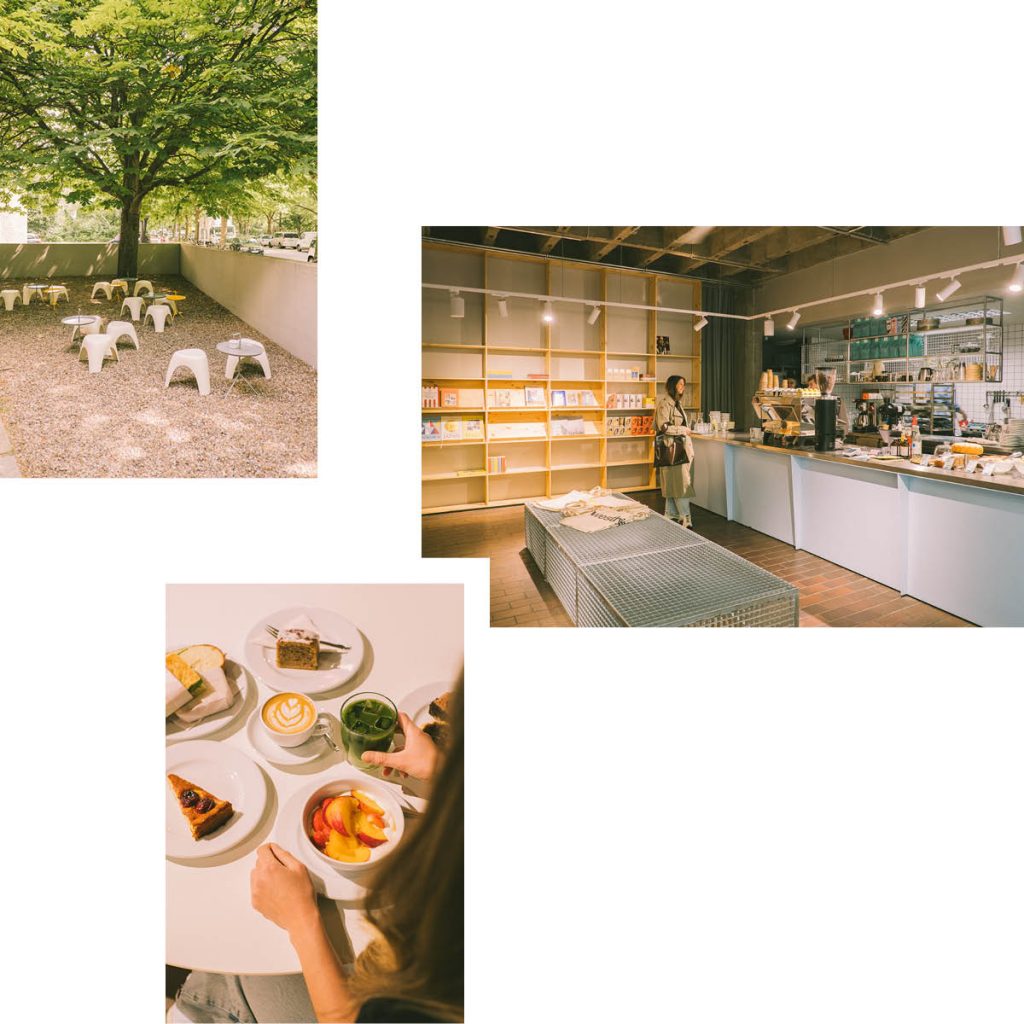
A quick stop for an espresso? That might be difficult here, because some places make you want to stay a while. The new Coffee Circle Café is located exactly where you would pause after the Kollwitzplatz weekly market or a walk around the square: on a corner that strikes a pretty perfect balance between lively and relaxed. So first, take a seat. In the corner storefront that stood empty for more than two years, the Coffee Circle Café opened in July 2026, creating an open, inviting, and pleasantly unpretentious place for coffee in Prenzlauer Berg. Light wood sets the tone, and the large counter wraps around the corner, welcoming everyone: those who just want to grab a quick flat white or iced coffee to go, and those who would rather stay. Inside, guests gather at small tables, sit on round wooden stools, spread out on benches, and take a seat at high tables or the large community table. Everyone finds their spot here. Outside, a sunny terrace awaits, making it one of the best Berlin cafés with a large outdoor seating area.

The vibe is uncomplicated and relaxed. What matters are the inner values, the ones in your cup. Only what the Berlin-based company, founded in 2010 and defined as a social business, personally selects makes it into that cup. Beans from producers who they have long-term partnerships and visit regularly. Every package can be traced back to the cooperative, finca, or farm (in case you really want to know). Just as important as the company’s philosophy is the taste. Only specialty coffee that scores at least 80 points in cupping according to the standards of the Specialty Coffee Association makes it into the range. The beans are gently drum-roasted in the company’s own roastery in Wedding. On my own coffee journey, I have long since returned to the classic cappuccino. It tastes especially good at the small metal tables outside, with a view of neighborhood life. And because the freshly roasted beans look so nice lined up on the shelf, something has to come home with me, too. For every kilogram of coffee sold, one euro is contributed to projects in the growing regions, helping local communities become more independent in the long term. Coffee Circle was awarded the SCA Sustainability Award in 2026 for this commitment. Now back to your cup and mine: I always pack the drip bags for good filter coffee on the go. For now, the first little trip is to Kollwitzkiez.

Text: Nina Trippel / Photos: Lucas Kowalke, Coffee Circle

Coffee Circle Kollwitzplatz, Kollwitzstr.70, 10435 Berlin–Prenzlauer Berg; map

@coffeecircle

cee_cee_logo
WHERE TO GET THE COOLEST ICE CREAM IN TOWN: THE GELATO GAZETTE PART ONE

WHERE TO GET THE COOLEST ICE CREAM IN TOWN: THE GELATO GAZETTE PART ONE

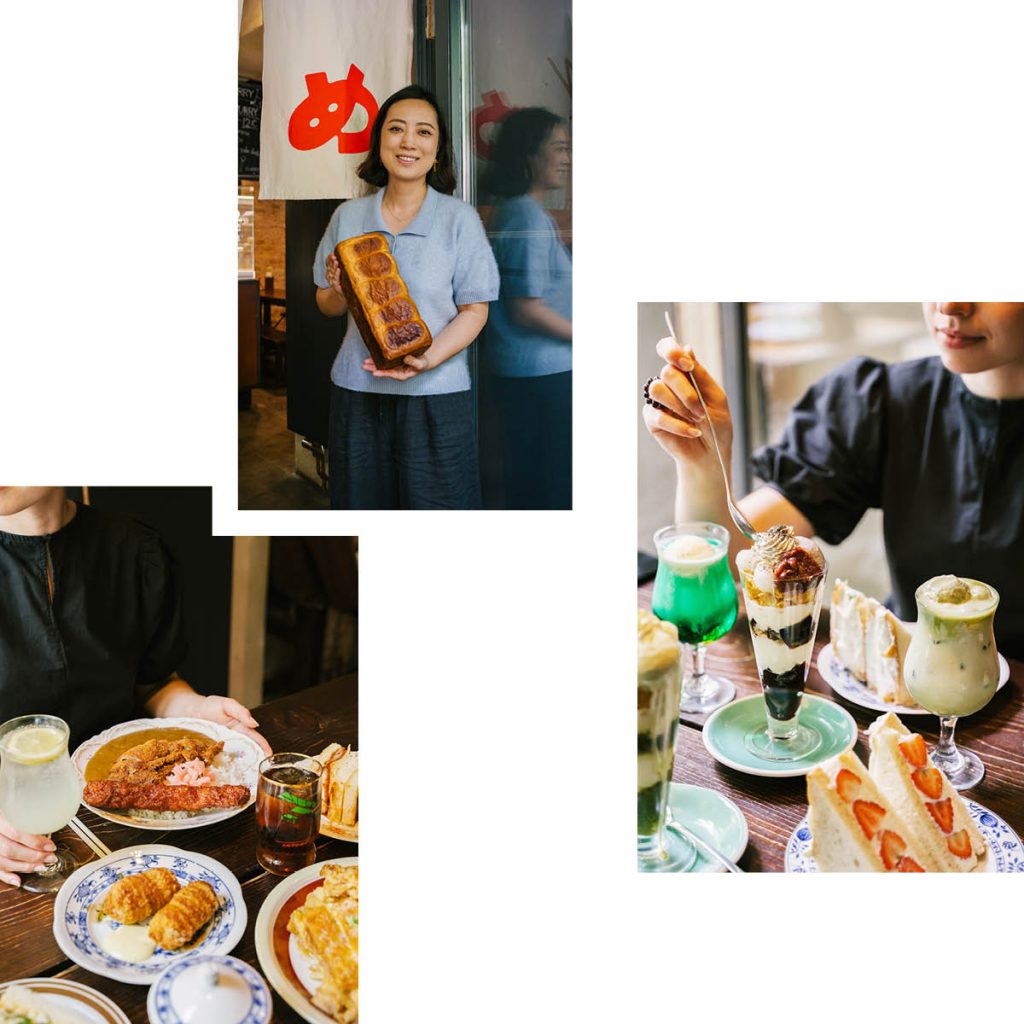
After a weekend of 39-degree heat, it’s safe to say Berlin’s ice cream parlours have had their moment. And while we’re hoping the temperatures stay summery, one thing remains true: there’s always a good excuse for a scoop. So, throughout the summer, we’re sharing the ice cream spots our team keeps coming back to. My pick is Chipi Chipi Bombón in Friedrichshain, alongside favourites from our team like Spoonful BerlinEarly Bird Gelato, and Tribeca Ice Cream and always classy: Canal. In Friedrichshain, Chipi Chipi Bombón is the kind of gelato shop that makes you rethink what ice cream can be. Originally from Argentina, owner Andrés Bezem builds every flavour around its main ingredient rather than from a single base, resulting in gelato that tastes exactly as it should. Bronte pistachios from Sicily and dulce de leche from Argentina anchor the menu, while combinations like lime, cilantro and chili or pineapple with parsley keep things interesting. The Banana Split is not just the bestseller but also my personal favourite. Spoonful Berlin takes a different approach in Neukölln. Founder Christian Günzel started with a simple question: why is so much ice cream sweeter than it needs to be? The answer is a menu where ingredients take centre stage. If it says pistachio, expect pistachio – not sugar. Seasonal flavours sit alongside the classics, and the vegan options are every bit as good.

Over in the Winsviertel, Early Bird Gelato follows the seasons closely, with melon in July, fig sorbet later in the summer and at least five or six vegan options at any given time. The bright space, redesigned by About Space Studio in 2024, is just as thoughtfully put together as the gelato itself. With locations in Prenzlauer Berg, Kreuzberg and Friedrichshain, Tribeca proves that plant-based doesn’t mean compromise. Inspired by nearly a decade in New York, founder Klaus Zinsmeister and his team have created rich, creamy flavours like oat milk stracciatella, salted caramel, pistachio and blue coconut – all built around clarity of flavour rather than novelty. And finally, there’s Canal, where handmade éclairs have been sharing the spotlight with Italian-style gelato since 2015. Flavours like Crema Canal with salted caramel and pistachio, or lemon-zest yoghurt and blueberry yoghurt, are reason enough to stop by – but ordering a scoop alongside an éclair is what keeps us coming back. Which is your ice cream haven? Share your tips with us via mail@ceecee.cc or on Instagram.

Text: Stefania Basano / Photos: Early Bird Gelato, Spoonful Berlin

Chipi Chipi Bombón, Warschauer Str.12, 10243 Berlin–Friedrichshain; map

Spoonful Berlin, Weserstr.6, 12047 Berlin–Neukölln; map

Early Bird Gelato, Winsstr.68, 10405 Berlin–Pankow; map

Tribeca Ice Cream, Rykestr.39, 10405 Berlin–Prenzlauer Berg; map

Canal, Rosenthaler Str.40, 10178 Berlin–Miite; map


@chipichipibombon
@spoonfulberlin
@earlybirdgelato
@tribecaicecream
@canalberlin

cee_cee_logo