
Cee Cee Creative Newsletter Book Neighborhood Map Lessons
Stadtplan
Information
archive temp
loop temp
CHILI & CHARLOTTENBURG — REGIONAL, SEASONAL, MEXICAN CUISINE AT COMEDOR

CHILI & CHARLOTTENBURG — REGIONAL, SEASONAL, MEXICAN CUISINE AT COMEDOR

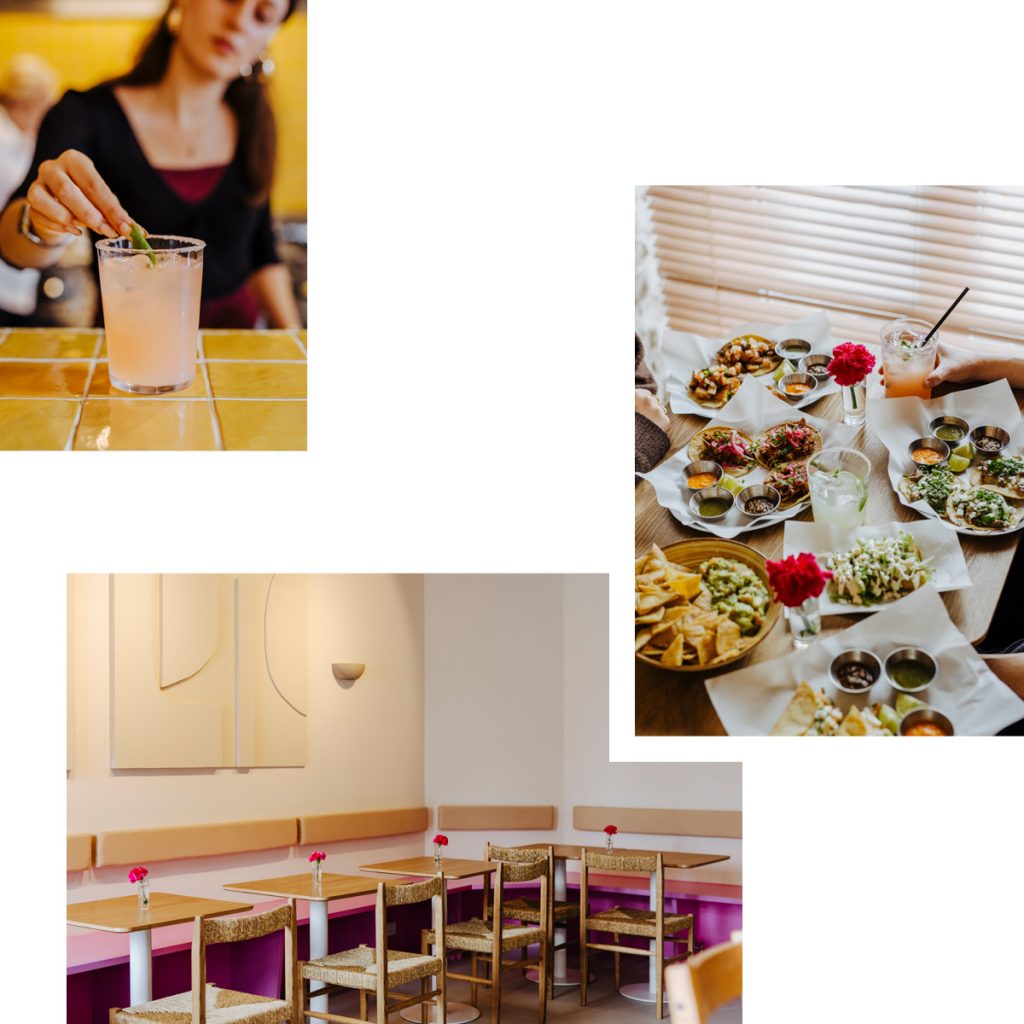
At Charlottenburg’s Comedor — Spanish for dining room — Raúl Oliver Arriaga and Julia Schmiedehausen combine Mexican diversity with European clarity and Berlin regionality, creating an atmosphere that’s effortlessly warm and refined. Arriaga, born in Mexico City, translates the cuisine of his homeland using seasonal, regional ingredients and modern techniques. On the menu are dishes such as Quesa Birria with organic beef from Gut Kerkow, Mole de la Casa (soon to be served with Prignitz duck), and Mole Amarillito with eggplant and zucchini. For the Aguachilecomes, Frisch Gefischt provides the catch of the day. And all tortillas are made fresh by hand every day. Thanks to Atelier Raumfragen, Mexican aesthetics and Berlin modernism are brought together in a way that feels natural and contemporary — no clichés, just art instead of cacti. A terracotta-colored wall is adorned with a loom strung with colorful woven panels — designed by Luis Eduardo, the chef’s brother, and crafted by textile artists Ninot Olvera and Mariel Tapia Luna.

Other textile works — including pieces by Berlin artist Karolin Reichardt — reflect the collaboration between German and Mexican artisans and tell the story of a modern reinterpretation of traditional craftsmanship. They are complemented by sustainable wooden furniture (crafted from reclaimed Berlin floorboards), Danish chair designs, and ambient lighting. Comedor is both dining room and meeting place. A space to feel at home, whether for evenings with friends, family gatherings, or intimate dinners. For those who like to experiment, the four-hand dinners welcome guest chefs into the kitchen to share their interpretations of Mexican cuisine. What makes Comedor so special? Perhaps it’s because they don’t simply try to bring Mexico to Berlin, they invite both to co-exist in the same space.

Text: Emma Zylla / Photos: Florian Kroll, Selina Schrader

Comedor, Kantstr. 74, 10627 Berlin–Charlottenburg; map

@comedor.berlin

cee_cee_logo
SIMPLY GOOD — SUGO, THE LITTLE ITALIAN JOINT IN SCHILLERKIEZ

SIMPLY GOOD — SUGO, THE LITTLE ITALIAN JOINT IN SCHILLERKIEZ

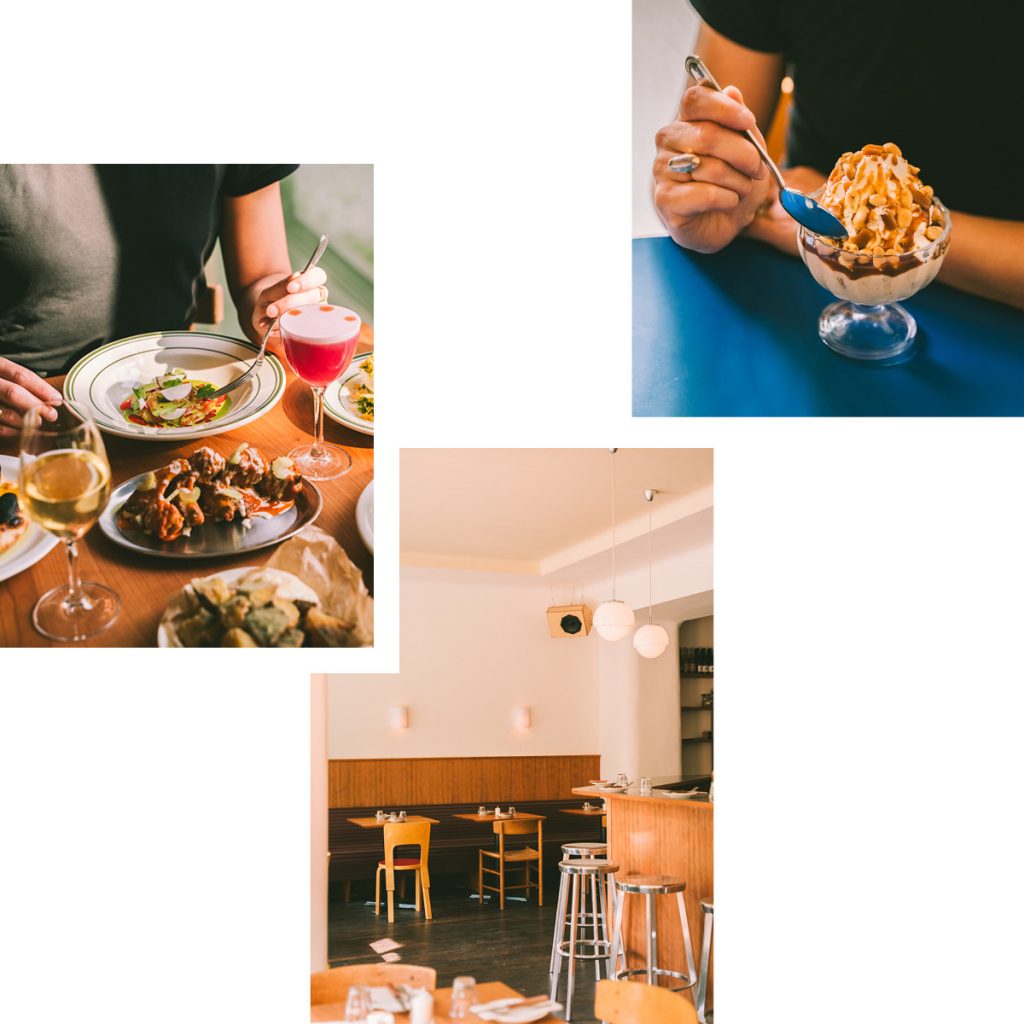
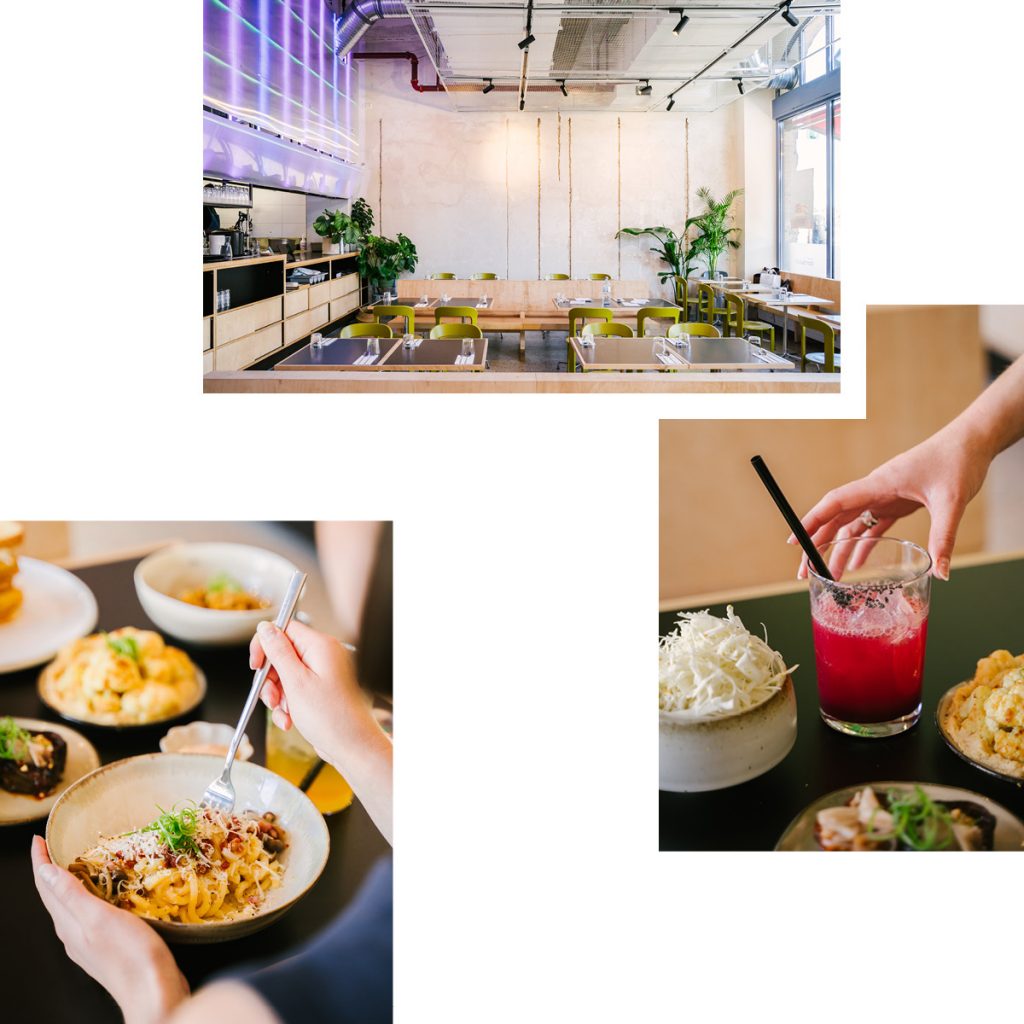
The little, laid-back brother is here, and he’s serving lasagna. That’s roughly how you could sum up Sugo. The team behind Caligari, open since June 2025, has created another spot with the same vibrant energy on a smaller scale and with a simpler menu. If you’ve ever been to Caligari in Schillerkiez, you’ll know what I mean when I say, I love the liveliness. You don’t come here just to eat, but to share the atmosphere with the team behind the counter and the guests at the next table. The place hums in the best possible way, and a night there always lifts your spirits. At Sugo, Andreas calls it “Caligari’s Greatest Hits”, served in a cozy bistro setting. He and Miki, the duo behind Caligari, had long dreamed of opening a second place. When the chance came to take over a former wine shop just a few streets away, they didn’t hesitate. The two Italians, Berliners by choice, turned the small space into an eight-table dining room. Simple chairs, a tiny open kitchen, a modest bar, and a fridge full of wine by the entrance. Everything feels cosy, unpretentious, and genuine.

The menu is concise: burrata, vitello tonnato, meatballs with sugo, and that’s about it. Three starters, three mains, one dessert. This simplicity is what makes an evening at Sugo so easy-going. The idea was to create a place where “after a long day, you can just drop in for a quick lasagna and a glass of wine”. Doors open at 17h, just in time for aperitivo. And if you’d like to make it more private, Sugo can also be booked for small celebrations.

Text: Nina Trippel / Photos: Ruby Watt

Sugo, Okerstr. 35, 12049 Berlin–Neukölln; Stadtplan

@sugoberlin

cee_cee_logo
THE JOY OF MISSING OUT: JÓMO IN PRENZLAUER BERG

THE JOY OF MISSING OUT: JÓMO IN PRENZLAUER BERG

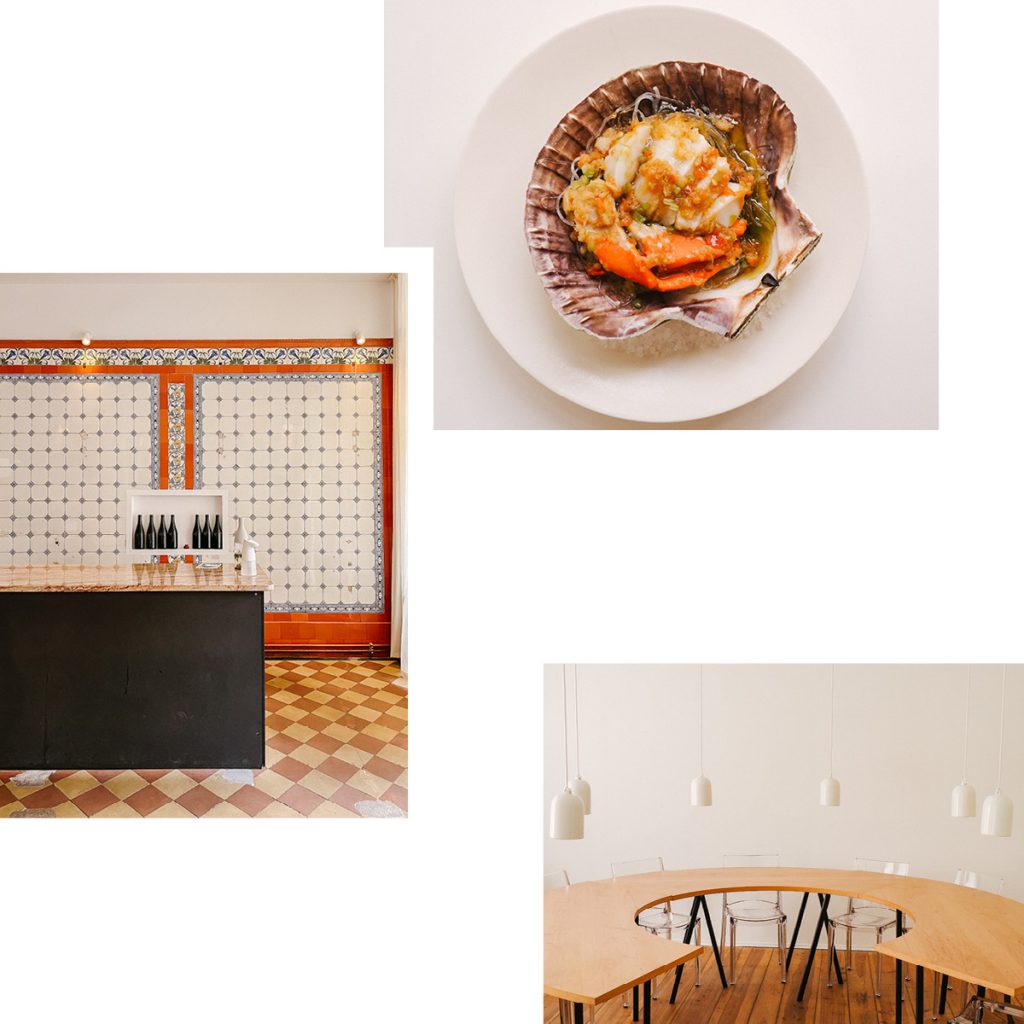
Behind Jómo are four friends with international hospitality experience: Liliia and Roman from Kharkiv, who run successful restaurants in Ukraine, and Tim and Vitalii from Berlin, with expertise in fine dining and the hotel industry. Together, they’ve created Jómo: a place that reinterprets culinary quality and genuine hospitality. The menu features dishes such as Sicilian fish crudo, the signature tartare from Basque beef, homemade pasta with truffle or scallops, and large aged beef steaks. On weekends, Jómo transforms into a brunch destination with Croque Monsieur with beef tartare, omelets with unagi eel, and okonomiyaki (the legendary Japanese street food). The drinks menu includes a selection of natural wines from small producers, house-made signature cocktails such as the Apple Spritz and Hazelnut Espresso Martini, and, of course, non-alcoholic options. With 56 seats in the stylish interior and another 60 on the terrace, Jómo is the perfect place to savor the moment. A modern Parisian bistro with the understated elegance of Scandinavian coziness. There’s plenty of wood, clean lines, and warm lighting. The perfect backdrop for an intimate dinner, relaxed brunch, or special evening with friends, bringing the concept of the “Joy of Missing Out” to life.

Text: Leo Sandmann / Photos: Jómo 

Jómo, Rykestr. 14, 10405 Berlin–Prenzlauer Berg; map

@jomo_restaurant

cee_cee_logo
BUNDESBÜDCHEN — MODERN CUISINE INSPIRED BY REGIONAL GERMANY

BUNDESBÜDCHEN — MODERN CUISINE INSPIRED BY REGIONAL GERMANY

Konrad Adenauer once bought his magazines here, Helmut Kohl his bread rolls, and Joschka Fischer countless comics. For decades, the Bundesbüdchen in Bonn was a meeting place in the government district, becoming legendary. Now, the cult kiosk can also be found in Mitte. Culinarily, the Bundesbüdchen builds bridges between past and present. Chef Johann Maier — formerly at Mraz & Sohn in Vienna and later Cordobar and Oh, Panama in Berlin — serves modern interpretations of German classics, inspired by traditional recipes from across the country. His dishes reflect the culinary heritage of regions from the Eifel to the Bohemian Forest, from the Baltic Sea to the foothills of the Alps. The menu includes Obazda with marinated radishes and wasabi arugula, oxtail soup with langoustine Maultaschen, and cheese spaetzle with white kimchi and applesauce. Classics such as blood sausage dumplings with caramelized cabbage or red mullet in shellfish bisque with green vegetables are also on the menu. Owner Jochen Thoss aims to bring the same feeling of home to the interior. Echoing the Bonn original, the space features a kidney-shaped counter, bold colors, Cassina leather chairs, and simple wooden tables. The result is a place where neighbors, politicians, long-time residents, new Berliners, and travelers can meet over natural wine with char or beer with boiled beef.

Text: Lea Hirsch / Photos: Arash Farahani

Bundesbüdchen, Hannoversche Str.2, 10115 Berlin–Mitte; map

@bundesbuedchenberlin

cee_cee_logo
SOFT RICE MOUNTAINS FILLED WITH JAPANESE MEMORIES: ONIGIRI AT OKA IN MITTE

SOFT RICE MOUNTAINS FILLED WITH JAPANESE MEMORIES: ONIGIRI AT OKA IN MITTE

When Kaoru talks about onigiri, she talks about her childhood in Tokyo. About her mother, who tucked the filled rice balls into her school backpack, and about those small moments that taste like home. It’s this passion for onigiri that Kaoru Iriyama and Maxim Streletzki want to share with others at Oka, their small restaurant on Oranienburgerstraße. Here, freshly shaped onigiri are prepared in front of you, perfect for a quick lunch break, a snack on the go, or dinner on the way home. The name Oka, meaning “gentle mountain”, says it all: a place to arrive, calm and grounded, where tradition meets modern hospitality. At the entrance, you can already get a glimpse of what’s on offer. If you can’t decide, start with the classics like salmon & salmon roe or tuna mayo. Vegan options such as miso peanut or spicy avocado are just as convincing. Especially charming is the long bar. Take a seat at the counter and watch the team shape the onigiri before handing them across to you. If you’re in a rush, simply take them to go. Sides and drinks are deliberately kept to the essentials. The perfect lunch combo is two onigiri, edamame, and soon miso soup. To drink, there’s cold green tea (a staple during my travels in Japan), matcha, yuzu lemonade, or Pocari Sweat. To sweeten the evening, find matcha and yuzu mochi on the menu. And whether sweet or savory, fish or vegan, among warm wooden tones and welcoming hosts, every rice mountain reveals just how much craftsmanship and passion goes into it.

Text & Photos: Robyn Steffen

Oka, Oranienburgerstr.72, 10117 Berlin–Mitte; map

@oka.onigiri

cee_cee_logo